USDT to baht in Phuket 2026: legality and options
How to exchange USDT for baht in Phuket in 2026: SEC-licensed exchanges, TouristDigiPay, P2P risks, Thailand’s crypto payment ban, property and tax basics.
Updated: 2026-10-10 · 7 min read · AURA Phuket
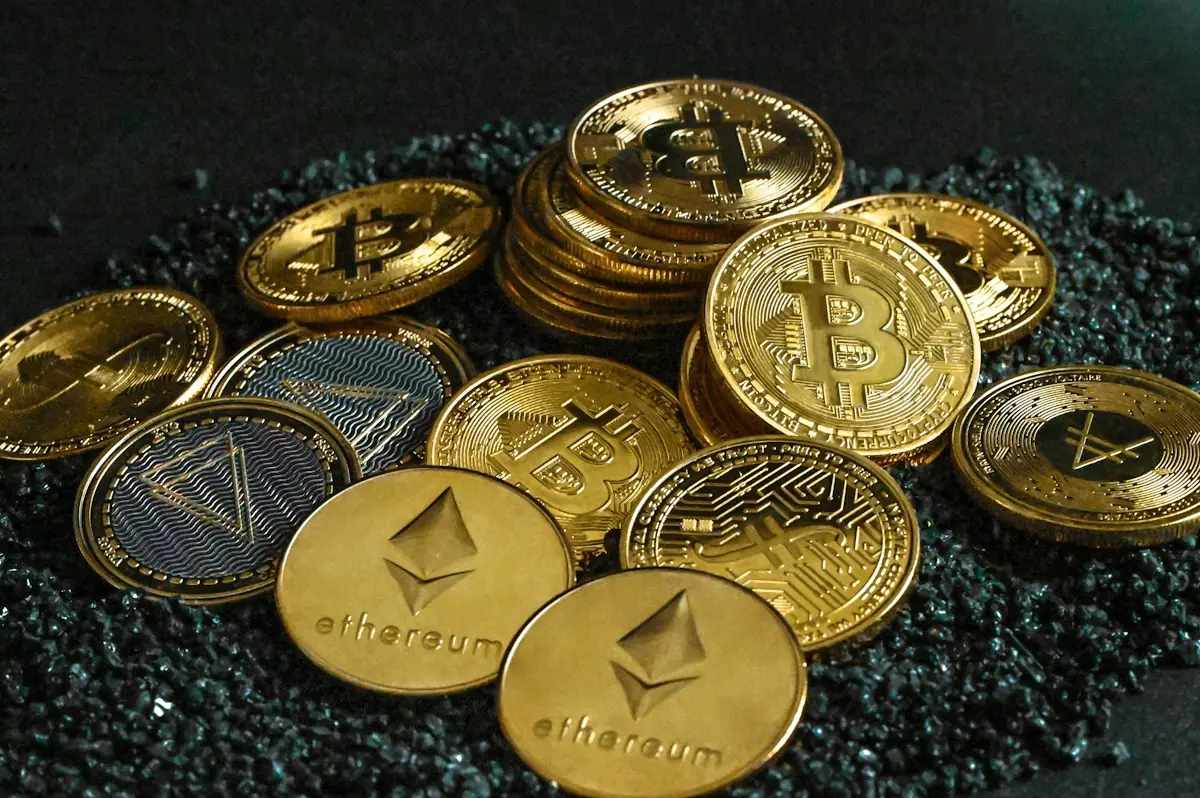
As of October 2026 you can legally exchange USDT for baht in Phuket through exchanges licensed by Thailand’s SEC (Bitkub or Binance TH, for example), but withdrawing baht usually requires a Thai bank account in your name. You cannot pay for goods and services with crypto in Thailand: since 1 April 2022 licensed operators have been barred from supporting such payments. P2P deals and unlicensed exchangers risk lost money and a frozen account.
Key facts
- Digital asset trading in Thailand is allowed only through SEC-licensed operators; operating without a licence is a criminal offence under the 2018 digital asset decree.
- USDT and USDC were added to the list of cryptocurrencies approved for trading on Thai exchanges on 16 March 2025.
- Since 1 April 2022 licensed operators may not support the use of crypto as a means of paying for goods and services.
- Since 28 June 2025 access to several unlicensed foreign exchanges, including Bybit and OKX, has been blocked in Thailand.
- For tourists, in August 2025 the SEC announced the TouristDigiPay sandbox: crypto is converted to baht in an e-wallet and spent by QR.
Can you pay with crypto in Thailand?
Not if you mean paying directly. Since 1 April 2022 a Thai SEC notification (Gor Tor. 5/2565) has barred licensed crypto companies from advertising crypto acceptance, building payment services for it, providing wallets for settlement and moving clients’ baht to third parties in such schemes. Operators who breach it face fines of up to 300,000 baht plus up to 10,000 baht per day. The regulator cited risks to the payment system, volatility and money laundering.
In practice this means that if a café, villa owner or developer offers to take USDT directly, you are stepping outside Thai regulation and losing protection. There is one legal logic: first the crypto is turned into baht through a licensed operator, then you pay in baht.
Exchanging USDT for baht in Phuket: methods and risks
| Method | What you need | Legality | Main risk |
|---|---|---|---|
| Thai SEC-licensed exchange | Passport, KYC, usually a Thai account and number | Legal | Slow verification, foreigner refused |
| TouristDigiPay (SEC sandbox) | Accounts with a licensed operator and an e-money firm | Legal, pilot | Limits, no cash withdrawals |
| P2P on a foreign platform | Platform account, Thai bank account | Grey area | Fraud, frozen account |
| Offline USDT exchanger | Wallet and cash | Legal only with an SEC licence | Fake notes, fraud, no protection |
A licensed Thai exchange: how to withdraw baht
The SEC-licensed Thai platforms most often named are Bitkub, Binance TH (operated by Gulf Binance), Orbix and Upbit Thailand. Licences get revoked and suspended, so check a specific exchange’s status in the operator register on the SEC website (sec.or.th) before signing up.
- Sign-up and KYC: passport, selfie, a Thai address; many exchanges ask for a Thai phone number, and each platform sets its own terms for foreigners.
- A Thai bank account in your name: baht can only be withdrawn to an account in the same name as the exchange account. Without one, this route is usually closed to tourists.
- Sending USDT: deposit coins to the exchange address only on the network it supports for deposits (TRC-20 or ERC-20, for example). Choosing the wrong network is a common way to lose funds.
- Selling: in the USDT/THB pair, check the order book and the total after the exchange fee.
- Withdrawal: the baht arrive in your account; then pay with your Thai bank card or via PromptPay.
How to open a Thai bank account, and which visas are usually needed, is covered in our guide to bank accounts in Phuket.
TouristDigiPay: crypto for tourists
On 18 August 2025 the SEC, with the Finance Ministry, the Anti-Money Laundering Office and the Tourism Ministry, announced TouristDigiPay, an 18-month regulatory sandbox project. A foreign tourist opens accounts with a licensed crypto operator and an e-money company, converts digital assets into baht in a wallet and pays by QR via PromptPay. The merchant receives baht, not crypto. Under the published terms, spending is capped at 500,000 baht a month with verified merchants and 50,000 baht with others, and cash withdrawals are not allowed. Check participating operators and the pilot’s current status on sec.or.th: sandbox terms can change.
P2P and offline USDT exchangers: the risks
- Money from someone else’s scheme. A buyer may pay you with baht stolen from a scam victim. Thai banks and police freeze accounts that such money passed through, and it will be up to you to prove you were not involved.
- Unlicensed business. Exchanging digital assets for money as an ongoing activity requires an SEC licence; an offline counter without one has no supervision and no accountability to the client.
- Cash at a meeting. Fake notes, short counts, pressure on the spot and robbery risk with large sums.
- Foreign exchange blocks. Since June 2025 access to several unlicensed platforms has been blocked in Thailand, and withdrawing from them can become a problem.
- No refunds. A USDT transfer is irreversible: if coins go to the wrong person or the wrong network, getting them back is almost impossible.
USDT to baht: working out the rate and the total
USDT is pegged to the dollar, so its baht rate is close to the dollar-baht rate published by the Bank of Thailand on bot.or.th. Your total is reduced by four things: the network fee for the transfer, the spread in the USDT/THB pair, the exchange or changer’s fee and the baht withdrawal fee. Compare offers as you would with currency: how many baht reach your account or hand for 1,000 USDT, not what number the ad shows.
Property for crypto, and taxes
Ads for ‘a Phuket condo for USDT’ do exist, but a developer cannot legally accept crypto as payment through the Thai system, and a foreign freehold buyer needs a bank document showing foreign currency arriving from abroad. Crypto turned into baht inside Thailand usually does not meet that requirement. More on this in our article on paying for property from Russia.
How to pay for property in Thailand from Russia
On taxes, a cautious note: the Thai government approved an exemption from capital gains tax on crypto sold through licensed Thai platforms for 2025–2029, and it does not cover P2P or unlicensed platforms. Who qualifies and to what extent depends on your tax status, so if you live in Thailand, discuss it with a tax adviser. This article is for information only and is not investment, tax or legal advice.
If you have roubles rather than crypto
Many people buy USDT only as a stepping stone between roubles and baht. If your starting point is roubles in a Russian bank account, the extra conversion is unnecessary: a licensed Thai money changer accepts roubles via SBP and pays out baht. In the AURA catalogue this is how our partner Bereza Exchange works, holding Bank of Thailand licence No. MC225680029; it deals in roubles, not crypto. The baht arrive 5–20 minutes after the payment is confirmed: at a cardless ATM, in a Thai account, by courier to your hotel or as a QR balance.
Roubles to baht without crypto: request — 1 option
Frequently asked questions
How do I exchange USDT for baht in Phuket?
The legal route is a Thai SEC-licensed exchange: you pass verification, sell USDT for baht and withdraw them to a Thai account in your name. Without a Thai account, the options are the TouristDigiPay sandbox or risky P2P deals.
Is crypto exchange legal in Thailand?
Yes, through operators licensed by Thailand’s SEC. Running a digital asset exchange business without a licence is prohibited, and access to several foreign exchanges has been blocked in the country since June 2025.
Can you pay with cryptocurrency in Thailand?
Not directly: since 1 April 2022 licensed operators have been barred from supporting crypto as a means of payment. In the TouristDigiPay pilot the crypto is first converted to baht, and the merchant receives baht.
What is the USDT to baht rate?
It is close to the dollar-baht rate published by the Bank of Thailand. Your baht total is lower because of the network fee, spread, exchange fee and withdrawal fee, so compare the amount you actually receive.
Can I buy a condo in Phuket with USDT?
You cannot legally pay in crypto directly, and a foreign freehold buyer needs a bank document showing foreign currency arriving from abroad. Plan the payment through a banking channel.
Need baht for your holiday but have no crypto? Visit the currency exchange section: a request takes about a minute and the baht total is shown before you pay.