How to send money from Russia to Thailand in 2026
Every working way to send money from Russia to Thailand in 2026: SBP exchange with a baht payout, SWIFT, transfer systems, crypto. Timings, risks, paying a person.
Updated: 2026-10-10 · 8 min read · AURA Phuket
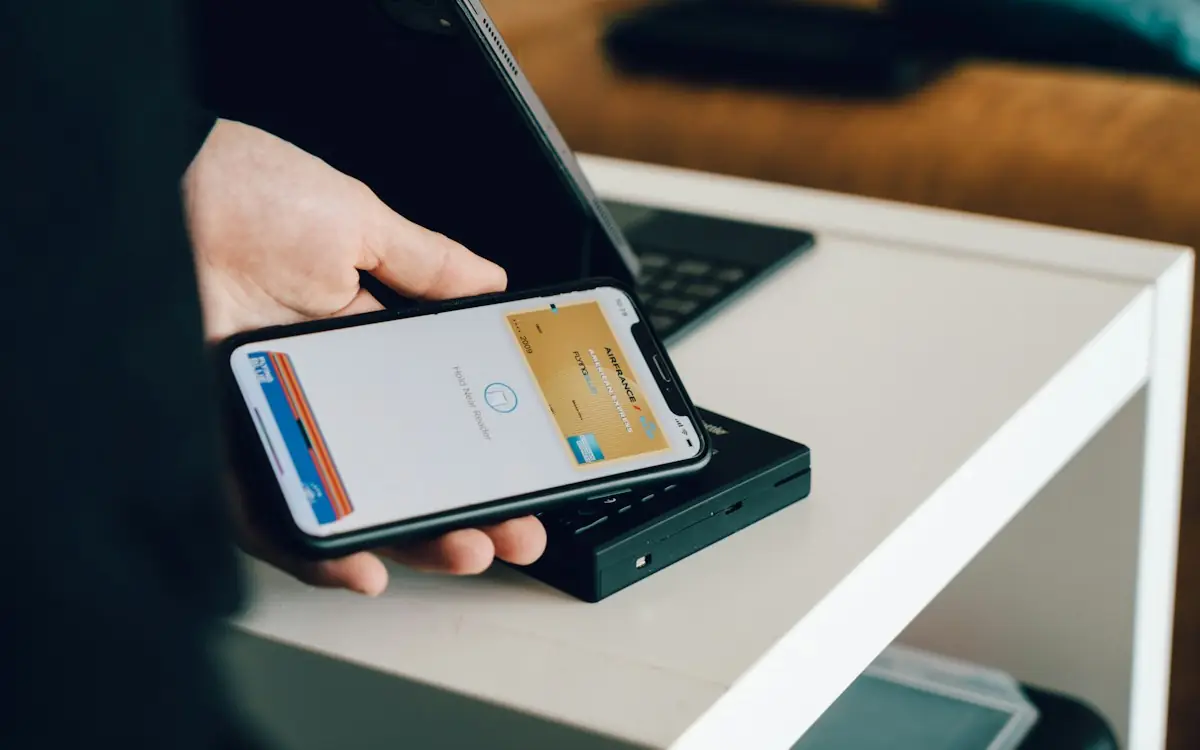
As of October 2026, the fastest way to send money from Russia to Thailand is through a licensed Thai money changer: you pay in roubles via SBP, and the baht are credited to any Thai bank account, paid out at a cardless ATM or delivered by courier within minutes. SWIFT transfers from Russian banks are possible but take days and require paperwork. Russian bank cards do not work in Thailand.
Key facts
- From 8 December 2025 the Bank of Russia lifted the limits on foreign-currency transfers abroad for Russian citizens (cbr.ru notice of 5 December 2025).
- SBP exchange with a baht payout: with AURA’s partner the baht arrive 5–20 minutes after the payment is confirmed.
- SWIFT from a Russian bank: usually one to several business days, bank and correspondent fees, possible document requests and returns.
- Licensed operators in Thailand may not support crypto as a means of payment: the SEC ban has applied since 1 April 2022.
- For large amounts, such as a property purchase, the Thai bank issues a foreign-currency receipt document (the FET form).
How to send money from Russia to Thailand in 2026: every option
There are six channels, and they solve different problems. Pocket money for yourself on holiday, villa rent, helping a relative who has a Thai account and paying a developer for an apartment each call for different tools. Below is a comparison by what matters in practice: speed, costs, risks and suitable amounts.
| Channel | Speed | Costs | Risks | Best for |
|---|---|---|---|---|
| Licensed changer: SBP → baht | Minutes | Spread in the rate, total shown upfront | Unlicensed middlemen | Local spending, rent, paying individuals |
| SWIFT from a Russian bank | 1–5+ business days | Bank and correspondent fees | Document requests, returns | Large documented payments |
| Money transfer systems | Minutes to days | Service fee and rate | Routes and limits change | Small sums to family |
| Account in a third country | 1–3 days | Double conversion | Currency control, account freezes | Those who already have one |
| Crypto (USDT) | Minutes to hours | P2P or exchange spread | Fraud, tainted funds | Only if you understand the risks |
| Foreign cash on you | On arrival | Two conversions | 10,000 USD export limit, safekeeping | A short trip budget |
The timings are indicative: with SWIFT everything depends on the sending bank, the currency and the correspondent chain, and with transfer systems on which routes the service supports in a given month.
SBP exchange with a baht payout: the fastest option
The scheme is simple: you pay roubles from a Russian bank account via SBP, and a licensed Thai exchange company pays out baht in Thailand. You can receive them in four ways: withdraw at any Thai ATM without a card, have them credited to any Thai bank account (yours, a landlord’s or a relative’s), order a courier with cash, or top up a balance for QR payments. For you it is an ordinary SBP payment inside Russia and a baht payout in Thailand, with no correspondent-bank chain and no waiting for days.
In the AURA catalogue this is how our partner Bereza Exchange works, holding a Bank of Thailand money-changer licence, No. MC225680029 (office: 88/9-10 Kata Rd, Karon). The rate is shown in its Telegram bot before you confirm, the baht arrive 5–20 minutes after the payment is confirmed, a courier brings cash anywhere in Phuket within about an hour, and large amounts are handled with the team’s support. There is no platform fee for the client.
Send roubles as baht: request in one minute — 1 option
SWIFT transfers from Russia to Thailand
SWIFT remains a legal channel for large, documented payments, but since 2022 it has become slower and less predictable. Many Russian banks are cut off from SWIFT or have scaled back foreign-currency transfers for individuals; with others the payment passes through a chain of correspondent banks, any of which may ask for documents or return the money. Senders report that Thai banks scrutinise incoming payments from Russia, so prepare the payment purpose and supporting papers in advance.
- Payee details: name in Latin letters exactly as the bank holds it, account number, Thai bank name and its SWIFT code.
- Currency: check which currency your bank sends (baht, dollars, yuan) and at what rate the Thai bank credits it in baht.
- Purpose: short and specific, such as rent under a contract or support for a relative; keep supporting documents to hand.
- Costs: your bank’s fee plus possible correspondent deductions; the amount credited may be less than you sent.
- Returns: if a payment gets stuck, the money may come back weeks later, with losses on a double conversion.
Transfers to Thailand via T-Bank and other Russian banks
The list of banks that send money to Thailand has changed several times in recent years, so any ready-made list ages quickly. In 2023 T-Bank launched SWIFT transfers in baht to Thai banks; whether this is available now, with what limits and fees, check in the app’s international transfers section before sending. The same goes for money transfer systems: if Thailand is on the list of destinations, the service will show the fee, rate and payout method before you confirm.
Do not confuse a transfer with a QR payment. In 2025–2026 MTS, Sber and VTB added Thai QR payments to their apps: this lets you pay a merchant, not send money to a person’s account. In practice not every seller accepts them; see our article on Russian cards in Thailand.
Via a third-country account or crypto
Some senders move money to their own account in a third country (Kazakhstan, Armenia, the UAE and others) and on to Thailand from there. This works if the account already exists and you accept a double conversion, currency-control obligations and checks on both sides. Opening a foreign account just for one transfer to Thailand is rarely sensible.
Crypto is fast but legally the narrowest channel. Trading digital assets in Thailand is allowed on licensed exchanges, but since 1 April 2022 the SEC has barred licensed operators from supporting crypto as a means of payment. P2P deals with strangers carry the risk of fraud and of a frozen Thai account if you are paid with money from a criminal scheme. See our detailed article on USDT.
USDT to baht: legality and risks in Thailand
How to send money to a private person in Thailand
- Get the payee’s bank name, account number and account holder name exactly as the bank shows it. That is enough for a domestic Thai transfer; a SWIFT code is only needed for an international one.
- If the payee uses PromptPay, a phone number or QR linked to the account also works, but still check the holder’s name.
- Choose the channel: for baht to a Thai account within minutes, an SBP exchange credited to the payee’s account is convenient; for a documented payment, use SWIFT.
- Ask the payee to confirm the credit in their own banking app, not from your screenshot of the transfer.
- Keep the lease or other basis for the payment: both you and the payee may need it.
Baht to the payee’s Thai account: catalogue — 1 option
Large amounts and property
When a foreigner buys a freehold condo, the money must arrive in Thailand from abroad in foreign currency and the bank must issue a receipt document (the FET form or a bank credit advice); without it the title cannot be registered at the Land Department. This case needs separate planning, and we cover it in our articles on paying for property from Russia and on the FET form. If you live in Thailand for 180 days a year or more, also consider the rules on taxing foreign income brought into the country.
How to pay for property in Thailand from Russia
Currency control and documents
On the Russian side, the main change of the past year is that from 8 December 2025 the Bank of Russia lifted the limits on foreign-currency transfers abroad for Russian citizens and for non-residents from friendly countries. Other rules remain: residents who open a foreign account must notify the tax service and in some cases report on account movements, and banks may ask for the basis of a transaction. On the Thai side, the bank may ask about the source and purpose of the money, especially for large amounts. This article is for information only and is not legal or tax advice: check your own situation with your bank or a specialist.
Frequently asked questions
How do I send money from Russia to Thailand in 2026?
The fastest way is a licensed Thai money changer: roubles via SBP, baht to a Thai account, at a cardless ATM or by courier within minutes. For large documented payments, use SWIFT from a Russian bank where available.
Can I make a SWIFT transfer from Russia to Thailand?
Yes, through Russian banks that still offer them, but it takes one to several business days, and correspondent banks may ask for documents or return the payment.
Does T-Bank offer transfers to Thailand?
In 2023 T-Bank launched SWIFT transfers in baht to Thai banks. Check current availability, limits and fees in the app before sending: Russian banks’ terms change.
How do I send money to a private person in Thailand?
You need the bank name, account number and the holder’s name exactly as the bank shows it. Baht can be credited to that account through a licensed changer within minutes, or sent by SWIFT.
Can I send money to Thailand in crypto?
Technically yes, but in Thailand crypto cannot be used as a means of payment through licensed operators, and P2P exchange carries risks of fraud and a frozen account.
Are there limits on transfers abroad from Russia?
For Russian citizens the Bank of Russia’s limits on foreign-currency transfers abroad were lifted on 8 December 2025. Banks’ own limits and fees still apply.
If you need the money in Thailand today, start with the currency exchange section of the catalogue: the baht total is visible before you pay, and you pay the partner after the request is confirmed.