Phuket Vegetarian Festival 2026: dates and schedule
Phuket’s Nine Emperor Gods festival, 10–18 October 2026: procession schedule, history, jay food and yellow flags, key shrines, etiquette and tips with kids.
Updated: 2026-10-10 · 6 min read · AURA Phuket
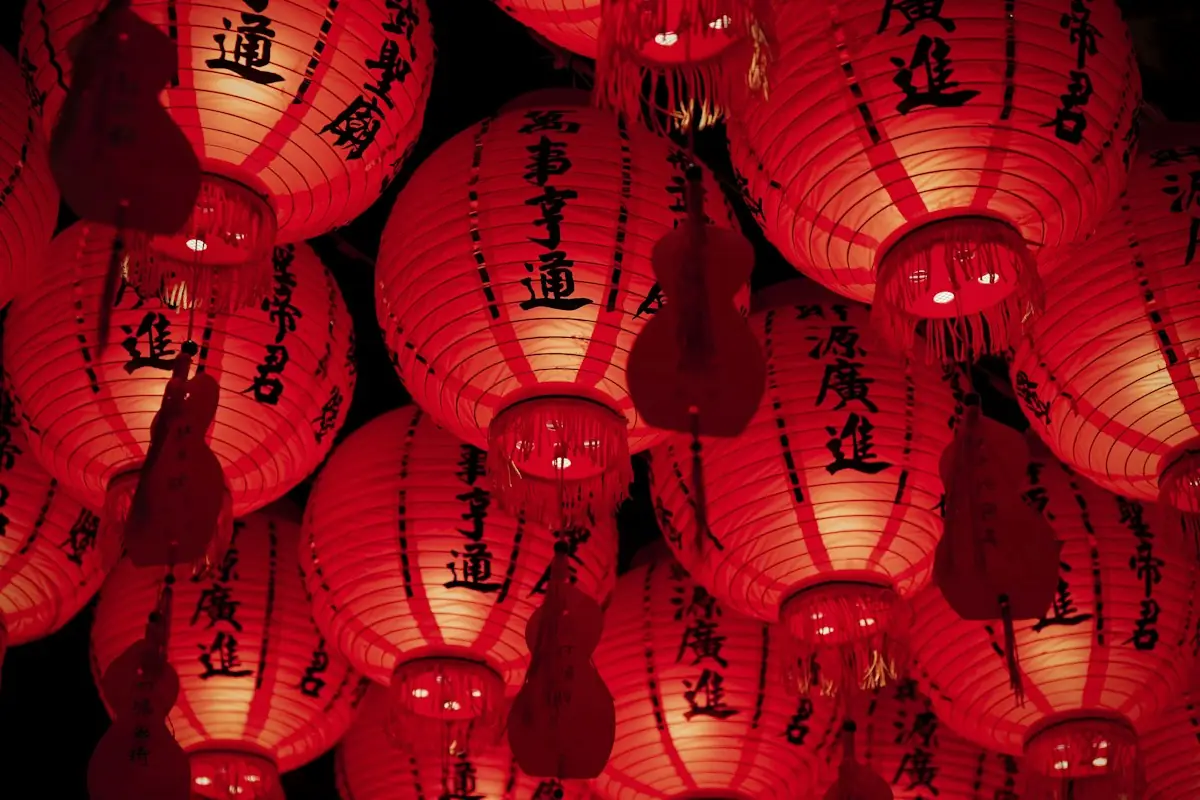
The Phuket Vegetarian Festival runs from 10 to 18 October 2026. It is the Nine Emperor Gods festival (locally “Jia Chai”) of the island’s Thai-Chinese Hokkien community: for nine days participants wear white and eat jay food with no animal products, while shrine processions with spirit mediums, drums and firecrackers move through Phuket Town.
Key facts
- 2026 dates: 10–18 October, from the first to the ninth night of the ninth lunar month.
- Street processions: 11–18 October; the big night procession of more than 40 shrines is on Sunday 11 October.
- Finale: 18 October, when the Jade Emperor is sent off at about 10:30pm and the Nine Emperor Gods are seen off towards Saphan Hin.
- Jay food: no meat, fish, eggs or dairy, usually no garlic or onion; places selling it fly yellow flags with red lettering.
- Since 2018 the festival has been listed as Thai intangible cultural heritage.
- Mediums pierce their cheeks and take part in fire rituals: hard viewing for the squeamish and for children.
Phuket Vegetarian Festival 2026: schedule
Below are the main events announced by the Tourism Authority of Thailand (TAT). Each shrine keeps its own procession and ritual schedule, and times can shift, so check the exact time the day before with the shrine, your hotel or TAT’s official channels.
| Date | Event | Where |
|---|---|---|
| 10 October, Sat | Festival opens, ceremonies at the shrines | Shrines across the island |
| 11 October, Sun | Ham Si Iw Keng night procession, over 40 shrines | Phuket Town |
| 11–18 October | Morning Iw Keng street processions, home altars outside houses | Phuket Town |
| 16 October, Fri, 6am–12pm | Jui Tui shrine procession passes the TAT office | Phuket Town |
| During the festival | Koi Han (bridge crossing) and Koi Hoi (fire walking) | At shrines, dates vary by shrine |
| 18 October, Sun, about 10:30pm | Send-off of the Jade Emperor and the Nine Emperor Gods | Thalang Road, Phuket Road, Surin Circle, Saphan Hin |
What the festival is and where it comes from
In the 19th century many Hokkien Chinese came to work Phuket’s tin mines, bringing the cult of the Nine Emperor Gods with them. The shrine in Kathu, founded in the early 1800s, is regarded as the place from which the cult spread across the region. In the best-known legend, a visiting Chinese opera troupe fell ill and recovered after keeping a fast and rites for the Nine Emperor Gods; since then the community has fasted for nine days every year. The festival is about purifying body and mind and bringing luck for the year ahead.
The festival is held across Thailand wherever people of Chinese descent live (Bangkok, Hat Yai, Trang), but Phuket’s is the largest and best known. In 2018 the Department of Cultural Promotion added it to the national list of intangible cultural heritage.
Jay food: what to eat and how to spot the yellow flags
Jay (เจ) is stricter than ordinary vegetarianism: no meat, fish or fish sauce, eggs or dairy, and as a rule no garlic, onion or pungent seasonings. During the festival yellow flags with red lettering appear at street stalls, cafés and even on supermarket shelves. Try soy “meat” and tofu in Thai sauces, the vegetarian version of hokkien noodles, fried pastries and sweets. Stalls usually cluster around the big shrines of Phuket Town, Jui Tui among them.
- Look for a yellow flag with red lettering: it means the food is prepared by jay rules.
- Strictly speaking, only food from a shrine’s kitchen is fully jay, but for a visitor the flagged street stalls are fine.
- Many ordinary restaurants add a jay menu in these days, but meat stays on the menu where there is no flag.
- If you are keeping the fast, skip alcohol too.
Phuket local food — where to eat during the festival
Processions and rituals: what you will see
The morning Iw Keng processions are shrine parades through Phuket Town: palanquins carrying the gods, flags, drums and ma song spirit mediums in trance. Residents set up altar tables of fruit, tea and incense outside their homes to receive blessings. Mediums pierce their cheeks and tongues with skewers and other objects while strings of firecrackers explode around them. In the evenings the shrines hold Koi Han (a bridge crossing to cleanse misfortune) and Koi Hoi (fire walking).
A warning: the bloody piercings and the noise of the firecrackers are not for everyone. If you are travelling with small children or find blood hard to watch, choose jay food and a daytime shrine visit, and skip the processions. This is a religious rite, not a tourist show, and deserves to be treated as one.
Shrines worth visiting
- Jui Tui (Tao Bo Keng) in Phuket Town, one of the festival’s main shrines, usually ringed by jay stalls.
- Put Jaw, a Guan Yin shrine over a century old, restored in 2024–2026 to preserve its Hokkien architecture.
- Bang Niew, a large Phuket Town shrine whose processions draw big crowds.
- Kathu Shrine, the oldest, where the cult began on the island; handy if you are staying in Patong or Kathu.
Etiquette and safety for spectators
- Wear white or light colours; covered shoulders and knees are appropriate at any shrine.
- Bring earplugs and sunglasses: the firecrackers are very loud, with sparks and smoke.
- Do not stand in the procession’s path or touch the mediums; if a palanquin or medium heads your way, step aside.
- Photos are fine, but no flash in people’s faces and do not block the route.
- If you set up an altar for a blessing outside a hotel or house, offer only jay items: fruit, tea and incense.
- Allow for traffic: some Phuket Town streets close for the processions, and on the final night crowds gather on Thalang Road, Phuket Road and at Surin Circle.
How to plan a festival day
Processions start early in the morning, so leave Patong, Kata or Bang Tao before dawn or stay overnight in Phuket Town. A practical plan: the morning procession, then a jay breakfast by the shrine, a walk around the Old Town during the day and an evening shrine visit for the rituals. For the final night on 18 October, go without a car: parking fills up and the streets towards Saphan Hin close.
Frequently asked questions
When is the Phuket Vegetarian Festival in 2026?
From 10 to 18 October 2026. Street processions run from 11 to 18 October, and the final send-off is on the evening of 18 October.
What is the Phuket Vegetarian Festival?
It is the nine-day Nine Emperor Gods festival of the Thai-Chinese Hokkien community: participants fast, eat jay food and wear white, while the shrines hold processions and purification rites.
Where can I find the procession schedule?
TAT publishes the main dates, and each shrine announces its own procession times. Check the day before at the shrine or with your hotel, as times can shift.
Can I go to the festival with children?
Jay food and daytime shrine visits, yes. The processions with piercings and firecrackers are hard on small children, and nobody should go without earplugs.
What should I wear to the Vegetarian Festival?
White or light clothing, covered shoulders and knees, and comfortable shoes. Earplugs and sunglasses help with the sparks and firecracker smoke.
Want to make the early procession without driving at dawn? Ask the AURA AI concierge for a transfer to Phuket Town from the catalogue, and the partner confirms the pick-up time.