PromptPay and QR payments in Thailand 2026: how to pay
What PromptPay and Thai QR are, where Thailand pays by QR, how to pay a code without a Thai account, how Sber and VTB QR payments work and how to avoid fakes.
Updated: 2026-10-10 · 6 min read · AURA Phuket
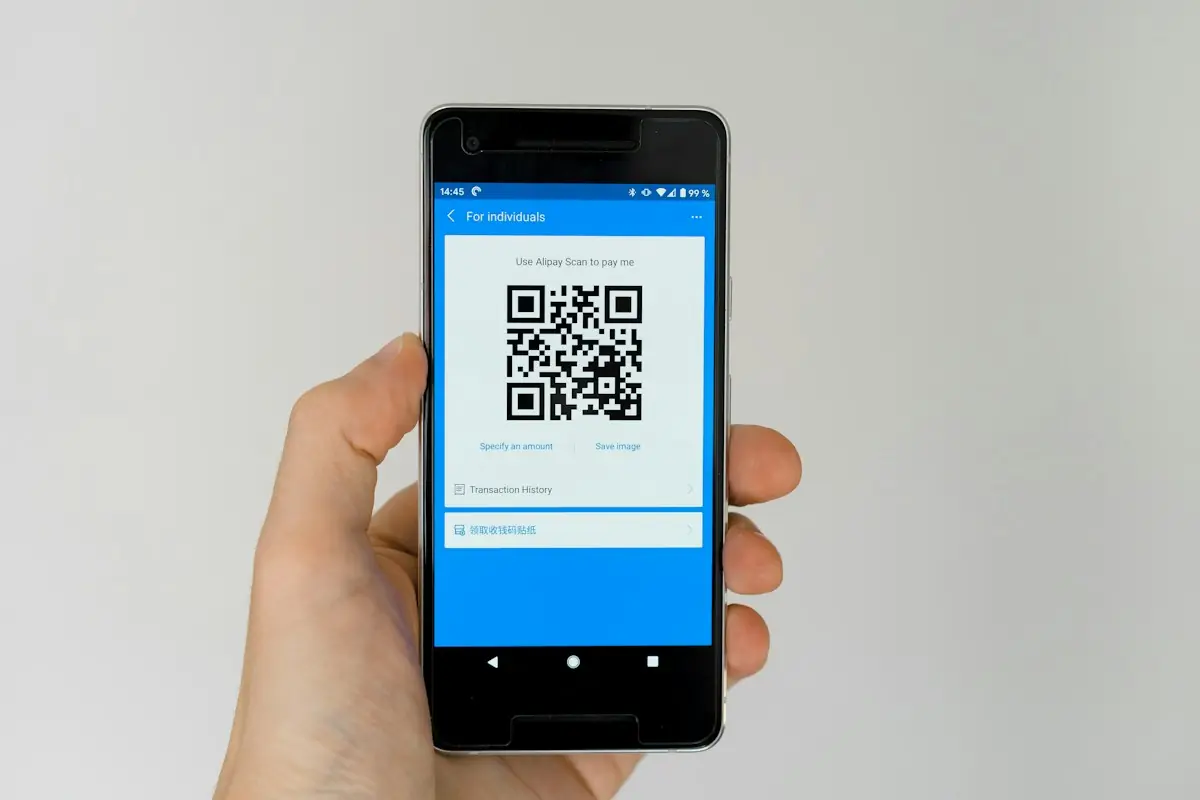
PromptPay is Thailand’s instant transfer system, and paying by QR code in Thailand (the Thai QR Payment standard) runs on top of it: the buyer scans the seller’s code in a banking app. As of October 2026, a traveller without a Thai account has three routes: Russian banking apps that support Thai QR (glitchy), a top-up balance with a licensed money changer, and wallets from countries linked to PromptPay.
Key facts
- PromptPay was launched in January 2017 by the Bank of Thailand with NITMX and Thai banks; an ID is linked to a phone number or national ID card.
- According to the Bank of Thailand, PromptPay had 77.2 million registrations at the end of 2023.
- Thai QR payments were added to the apps of MTS Bank (October 2025), Sber (22 April 2026) and VTB (19 August 2026).
- VTB charges no fee for the payment and allows up to 113,000 ₽ per transaction; the bank sets the conversion rate.
- In autumn 2026 some sellers in Phuket refuse payments made through Russian apps.
What PromptPay and Thai QR are
PromptPay is Thailand’s national payment infrastructure. The holder of a Thai account links a phone number or a 13-digit ID card number to it, and money sent to that ID arrives within seconds from any Thai bank. Thai QR Payment is a single QR standard built on PromptPay: a sticker with the Thai QR logo at the till means the code can be paid from any Thai banking app. For sellers it costs almost nothing, which is why even night market traders display a QR code.
Where you pay by QR code in Thailand
- Markets and street food: most stalls display a printed static QR code.
- Cafes, massage shops and small stores: a static code on the counter or a dynamic one on the till screen.
- Taxis and tuk-tuks: many drivers show a QR on their phone; Grab and Bolt are paid inside the app.
- Scooter rental, excursions, small repairs: individuals often ask for a PromptPay transfer instead of cash.
- Supermarkets and malls: a dynamic QR at the till with the amount already built into the code.
The difference between the two matters. A dynamic QR is generated by the till for one specific purchase, and the seller sees at once that the payment has gone through. A static QR is just the seller’s details: you type in the amount yourself, and the seller checks the incoming payment in their own app.
How to pay a QR code in Thailand: options for travellers
| Option | Best for | Pros | Cons |
|---|---|---|---|
| Thai account and banking app | Long stays, work, study | Accepted everywhere, no conversion | Hard to open on a tourist visa |
| Russian banking app | Short holidays | Paid from a rouble account | Bank’s rate, glitches, seller refusals |
| Balance with a licensed money changer | Holidays and long stays | Roubles via SBP, rate shown upfront | Top up before you buy |
| Wallet from a PromptPay-linked country | Account holders in those countries | Works like a local payment | Usually unavailable to Russians |
PromptPay’s links with other countries run through their national systems: according to NITMX, they cover Cambodia, Indonesia, Japan, Malaysia, Singapore and Vietnam, with Hong Kong connected separately. They are available to people who hold an account at a bank in those countries.
Paying QR codes in Thailand through Sber and other Russian banks
The MTS, Sber and VTB apps include a scanner for Thai QR codes: the baht amount is debited from your rouble account at the bank’s rate. When VTB launched the service on 19 August 2026 it said there was no fee for the payment and a single transaction could be up to 113,000 ₽. There may be no fee, but the bank sets the conversion rate and it is worse than the exchange rate, so on larger amounts compare it with a money changer’s rate.
In practice the service is uneven. In May 2026 Sber explained that a payment may fail if the bank does not receive confirmation from its Thai partner, in which case the money is returned within seconds. At the same time the press covered a case of two tourists who paid a jeweller via a static QR code, and the money never reached the seller. Travellers report that in autumn 2026 some shops in Phuket and Pattaya put up signs refusing such payments, because the money takes from several hours to several days to reach the seller.
What works among Russian cards and apps as of October 2026 is covered in detail in a separate guide.
Russian cards in Thailand: what works
PromptPay for Russians: can you sign up?
Only the holder of a Thai bank account can have their own PromptPay ID: it is registered in the Thai bank’s app. For a foreigner, a bank usually opens an account with a visa other than a tourist one plus proof of address, and the final decision rests with the branch. For a two-week holiday it is not worth the hassle; for a winter stay, long-term rental or children’s schooling a Thai account pays off quickly.
A middle option for people without a Thai account: in the AURA catalogue, Bereza Exchange, licensed by the Bank of Thailand, offers a top-up balance that can be used for QR payments. You top it up with roubles via SBP, and the rate is shown in the Telegram bot before you confirm.
Baht and QR payments — currency exchange — 1 option
How to pay a QR code in Thailand without mistakes: step by step
- Scan the code and check whose name the app shows: it should match the shop name or the seller’s name.
- With a static QR, enter the amount in baht and check it against the price tag or bill twice: an extra zero is hard to get back.
- Check the rouble amount and the rate if you are paying from a Russian app.
- Confirm the payment and show the seller the success screen, but leave only after they see the money arrive on their side.
- If the payment hangs, do not pay again: first check the status in the app and agree with the seller.
Risks: swapped QR codes and fake screenshots
For buyers the main risk is someone else’s sticker placed over the seller’s real code, so always check the recipient’s name. If a QR is sent by messenger for a rental or a tour, pay only once you are sure the recipient is the person you agreed with. If you receive payments to a Thai account yourself, say for a scooter or a flat, do not trust a screenshot: it is easy to fake. The money has arrived only when you see it in your own app.
Keep some cash baht on you: at a market, in a tuk-tuk or when the connection drops, it is still the most reliable way to pay. This article is for information only and is not financial advice.
Frequently asked questions
What is PromptPay?
It is Thailand’s instant transfer system, launched by the Bank of Thailand in 2017. A PromptPay ID is linked to the phone number or ID card of a Thai account holder, and Thai QR payments run on it too.
How do I pay a QR code in Thailand without a Thai account?
Through a Russian banking app that supports Thai QR (MTS, Sber, VTB) or from a top-up balance with a licensed money changer. Sellers sometimes refuse the first option, so keep cash as a backup.
Does QR payment via Sber work in Thailand?
Yes, Sber launched it on 22 April 2026, but glitches happen and some shops do not accept such payments. Ask the seller before paying and wait until they see the money arrive.
Can a Russian sign up for PromptPay?
Only together with a Thai bank account. Banks usually open accounts for foreigners with a non-tourist visa and proof of address, and requirements vary by branch.
What if the QR payment was debited but the seller did not receive it?
Do not pay again. Check the transaction status in the app, keep the receipt and contact your bank’s support; ask the seller to wait for the money or leave your contact details.
Need baht for markets and taxis today? In the currency exchange section of the AURA catalogue a request takes about a minute, and there is no platform fee for the client.