How to buy a condo in Phuket as a foreigner: step by step
How a foreigner buys a condo in Phuket: the 49% quota, reservation deposit, lawyer checks, wiring money with an FET form, documents and Land Office transfer.
Updated: 2026-10-10 · 7 min read · AURA Phuket
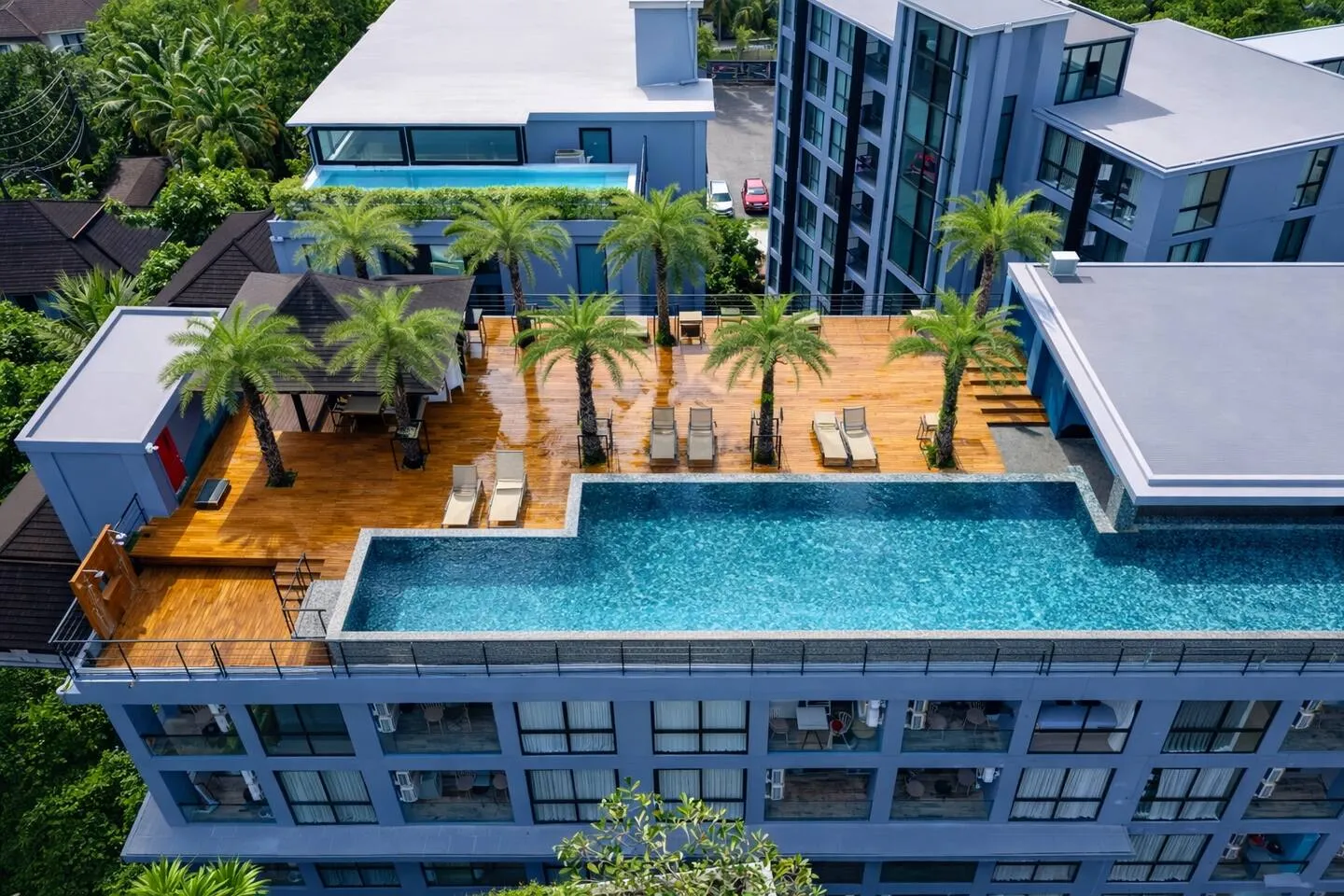
A foreigner can buy a condo in Phuket outright (freehold) as long as the building’s 49% foreign quota is not used up and the money arrives from abroad in foreign currency. The order is: choose and reserve, legal checks, contract, a transfer with a bank certificate (FET), and registration at the Land Office. A resale purchase usually takes one to two months.
Key facts
- Foreigners together may own no more than 49% of the total unit floor area in a building; a letter from the condo’s juristic person confirms how much quota is left.
- Purchase money is wired from abroad in foreign currency; for a transfer of 50,000 US dollars or more the bank issues an FET form, for smaller sums a credit advice.
- The transfer registration fee is 2% of the appraised value; the 0.01% discount (until 30 June 2027) applies only to Thai citizens.
- On a resale the reservation deposit is usually 1–5% of the price, 10–20% is paid when the contract is signed, and the balance on transfer day.
- A lawyer for a condo purchase costs roughly 20,000–80,000 baht; book the checks before any large payment.
- You become the owner only at registration: the Land Office issues the unit title deed (Or Chor 2) in your name.
Step 1. Choosing: resale or buying from a developer
First decide what you are buying: a finished flat from an owner or a new one from a developer. On a resale you see the walls, the view, the neighbours and the real service-charge bills, and the deal closes in weeks. A developer offers a lower entry price and instalments, but you pay for something that does not exist yet. The risks of buying under construction are covered in a separate article; below is the order of steps common to both.
| What we compare | Resale | From a developer |
|---|---|---|
| What you see | A finished flat and building | Plans, a show unit, renders |
| Payment | 10–20% deposit, balance at transfer | Instalments tied to build stages |
| Time to transfer | Roughly 1–2 months | After completion and registration |
| Main risk | Debts, encumbrances, hidden defects | Delays, changes to the project |
| 49% quota | Letter from the juristic person | Clause in the developer’s contract |
Check the quota at the very start. If the foreign share of the building is full, the unit cannot be registered to you as freehold, and the only option left is leasehold, a registered lease of up to 30 years. How the two differ in practice is explained in our article on freehold and leasehold.
Freehold or leasehold in Phuket — explained
Step 2. Reservation and deposit
A unit you like is taken off the market with a reservation agreement. On a resale the deposit is usually 1–5% of the price or a fixed sum; developers have their own rules. The refund terms matter more than the amount: write in that the deposit comes back if the lawyer finds problems with the title, debts or quota. Without that clause, the seller normally keeps the money if you pull out. Since 31 January 2025, developer reservation contracts must be in Thai and follow a standard form set by the Consumer Protection Board; ask for a certified translation.
- Unit number, floor and area, as stated on the title deed rather than in the advert.
- Price, currency and payment schedule.
- Who pays the transfer fee, the seller’s taxes and the sinking-fund contribution.
- How long the checks may take and when the main contract will be signed.
- The conditions under which the deposit is refunded in full.
Step 3. Due diligence on the unit
The checks are done by an independent lawyer, not the seller’s agent or the developer’s in-house counsel. Expect roughly 20,000–80,000 baht depending on complexity, and usually two to four weeks. What the lawyer should verify:
- The unit title deed (Or Chor 2) at the Land Office: who owns it and whether there is a mortgage, seizure or other encumbrance.
- A letter from the condo’s juristic person confirming that a sale to you stays within the 49% quota.
- A debt-free letter from the juristic person for the unit: without it the transfer will not be registered.
- The seller’s authority: if a company is selling, its registry extract and a resolution approving the sale.
- Permits for the building and its registration as a condominium; for new projects, building permits and the environmental impact assessment (EIA).
- House rules: whether short-term letting, pets and renovation are allowed, and the service charge per square metre.
Step 4. The sale and purchase agreement
The main contract (SPA) is usually bilingual, Thai and English. It sets out the price, the payment schedule, the transfer date, who pays which fees and taxes, penalties for delay, and what happens if the bank does not issue the right transfer certificate. The buyer’s name in the contract must match the passport and the bank document letter for letter. On transfer day the parties also sign the Land Office’s standard contract stating the price. Do not understate it to save on fees: taxes are calculated on the higher of the sale price or the appraised value anyway, and an understated figure on paper complicates a future resale.
Step 5. Wiring money from abroad and the FET form
The Condominium Act requires proof that the purchase money entered Thailand in foreign currency, in an amount no lower than the price of the unit. The receiving Thai bank provides it: for a transfer of 50,000 US dollars or more it issues an FET (Foreign Exchange Transaction) form, for smaller sums a credit advice. Without this paper the Land Office will not register the unit to a foreigner, even if everything has been paid.
- Send dollars, euros or another foreign currency, not baht: the conversion must happen in Thailand.
- In the payment reference, state the purchase of a specific unit: project, number and your full name.
- The recipient is your own Thai bank account or the seller’s or developer’s account; the buyer’s name is the same everywhere.
- Each transfer produces its own document, so keep all of them if you pay in parts.
- The route for a transfer from Russia depends on the restrictions of particular banks: discuss it in advance with the receiving bank and your lawyer, and use only channels the bank is prepared to certify.
Step 6. Registration at the Land Office
The transfer is registered at the Land Office responsible for the property: in Phuket, the provincial office in Phuket Town or its branch. It takes from a couple of hours to a full day, and every document is in Thai. Fees and taxes are paid on the spot, usually by cashier’s cheque, with the amounts worked out by your lawyer beforehand. If you cannot attend, your lawyer can act under a power of attorney; one signed abroad has to be certified according to Land Department rules.
- Your valid passport.
- The FET form or the bank’s credit advices for the foreign currency.
- The original unit title deed from the seller.
- The quota letter and the debt-free letter from the juristic person.
- The sale contract, and a power of attorney if a representative attends.
Who pays the fees and taxes
The law does not fix which party pays the transfer fee: it is usually split 50/50, but that is a matter of negotiation. Taxes on the sale (specific business tax of 3.3% or stamp duty of 0.5%, plus withholding tax) are by custom paid by the seller. On top of a share of the fee, the buyer pays a one-off sinking-fund contribution and the service charge; some buildings ask for it several months in advance. Rates and worked examples are collected in a separate article.
Property taxes and transfer fees in Thailand
After registration
Tell the building management about the new owner, move the electricity and water accounts into your name, and keep copies of the title deed, FET and receipts: you will need them when you resell and when you take money out of the country. Buying a condo does not by itself give you a visa or the right to work. If you plan to rent it out, check the house rules and licensing requirements in advance.
Phuket property — listings catalogue
Paying for the purchase: in detail
Frequently asked questions
How can a foreigner buy a condo in Phuket?
Pick a building where the 49% foreign quota is not used up, pay a refundable reservation deposit, have an independent lawyer run the checks, sign the contract, wire the money from abroad in foreign currency and register the transfer at the Land Office.
What documents do I need to buy a condo in Phuket?
Your passport, the FET form or bank credit advices, the sale contract, and from the seller’s side the unit title deed, the quota letter and the debt-free letter from the juristic person.
Do I need an FET form if the condo costs less than 50,000 US dollars?
Banks issue the formal FET for transfers of 50,000 US dollars or more; for smaller sums they issue a credit advice, which the Land Office also accepts. The rule is the same: the money must come from abroad in foreign currency.
Can I buy a condo without travelling to Thailand?
Yes, through a power of attorney: your lawyer represents you at the Land Office. A power of attorney signed abroad must be certified to Land Department requirements, and the money transfer is still made in your name.
Does buying property in Thailand give me a visa?
No, owning a condo does not by itself give you a visa or the right to work. A visa is obtained separately, on its own grounds.
This article is for information only and is not legal advice: check the requirements with a lawyer and the Land Office before paying. AURA’s property section can help you shortlist a condo for your budget and goals: a request takes about a minute, and a partner’s manager confirms the details.