Off-plan property in Phuket: risks and checks
What an off-plan buyer risks in Phuket: delays, project changes, EIA permits, bankruptcy, guaranteed returns, escrow and questions to ask the developer.
Updated: 2026-10-10 · 6 min read · AURA Phuket
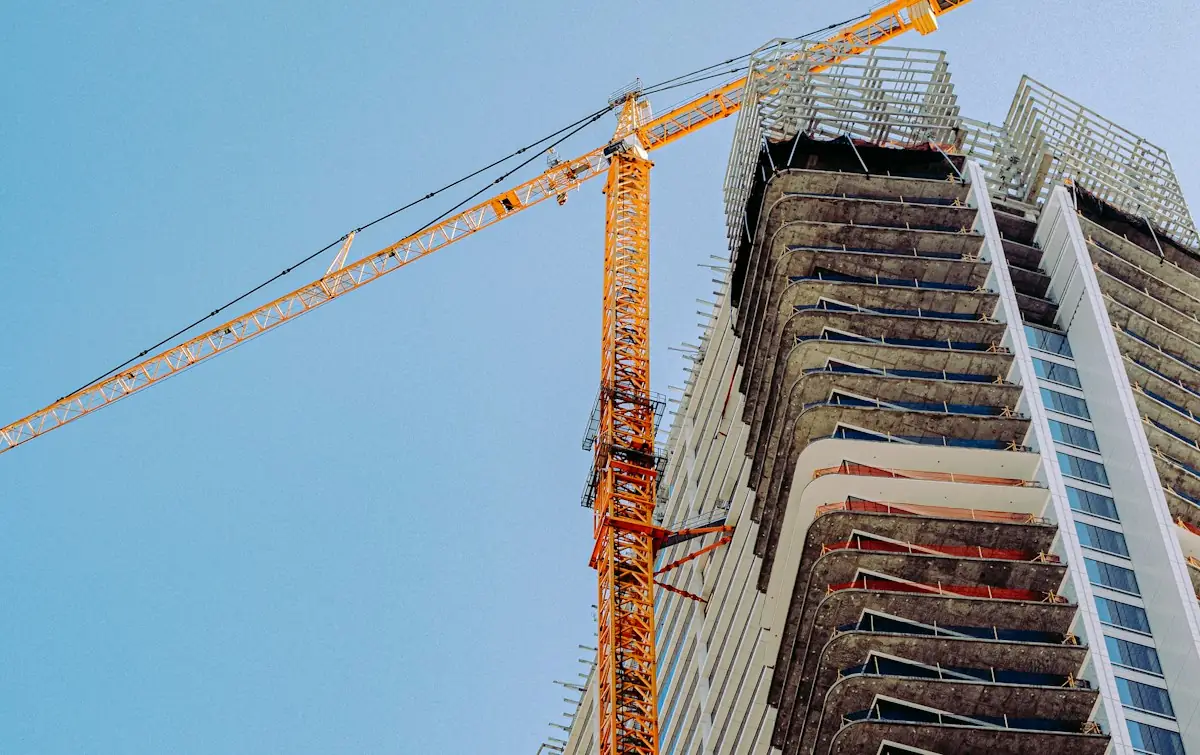
Off-plan property in Phuket bought from a developer during construction is usually cheaper than finished stock and sold in instalments, but the buyer carries the main risks: late completion, changes to the project, permit problems and the developer’s finances. Thailand has no mandatory escrow, so your protection rests on three things: checks before the first payment, the contract, and a payment schedule tied to construction stages.
Key facts
- There is no mandatory escrow for buying property under construction in Thailand: the money usually goes straight to the developer.
- Ownership arises only once the building is finished, registered as a condominium and the unit is transferred at the Land Office.
- Since 31 January 2025, developer reservation contracts follow a standard form in Thai.
- Large projects may only be built after an environmental impact assessment (EIA) is approved and a building permit issued.
- A ‘guaranteed return’ is an obligation of the developer’s or operator’s company, not of a bank or the state.
- You are safer when payments are tied to construction stages rather than calendar dates.
What an off-plan buyer is risking
While the building is going up, you own not a flat but a contractual claim against the developer. The unit becomes yours only after the building is finished, registered as a condominium and transferred to you at the Land Office. Anything that happens before then is settled by the contract and the company’s track record.
- Late completion: anything from a few months’ delay to a stalled build.
- Project changes: a different layout, a smaller area, other materials, a view blocked by a new block.
- Permits: building without an approved EIA or in breach of zoning can halt the project.
- The developer’s finances: if buyers’ money is spent on other projects, a bankruptcy hits everyone.
- The 49% quota: if the foreign share is sold out, you will be offered leasehold instead of ownership.
- Reselling before completion: assigning the contract is not always allowed and often carries a separate fee.
Delays and changes: what to put in the contract
A developer’s standard contract is written in its favour, but terms are negotiable, especially in early sales. An independent lawyer should check that the contract includes:
- A specific completion date and a penalty for every month of delay.
- The right to terminate and get all payments back if the delay exceeds an agreed period.
- An allowed tolerance on floor area and a price adjustment if the unit turns out smaller.
- A specification of finishes, appliances and materials as an annex, not a reference to the brochure.
- Unit number, floor and layout with a floor plan.
- A narrow definition of force majeure: rising material prices should not count.
- The developer’s duty to register the unit within the foreign quota and provide paperwork for an FET on every payment.
Keep the brochures, website screenshots and correspondence with the sales team: in a dispute over the view, area or fit-out, they are your evidence of what the developer promised.
Permits, EIA and land: what to check before the first payment
- The title deed (chanote) for the project land: the owner is the developer’s company, or one documented as related to it, not a third party.
- Encumbrances: whether the land is mortgaged to a bank for project finance and how the mortgage is released when units are transferred.
- The building permit: the number of floors and units match the advertising.
- An approved EIA for a large project: actual approval, not ‘documents submitted’.
- Zoning and coastal height limits: they apply in several parts of Phuket.
- The developer’s company in the registry: date of registration, registered capital, directors, court cases.
Escrow and the payment schedule
Thailand has an Escrow Act from 2008, but it is not mandatory for buying from a developer, and in practice the money almost always goes to the company’s account. If a project offers escrow through a licensed agent, that is a plus; if not, your main tool is the schedule. The smaller the share you pay before the structure is up, and the more that remains due on handover, the less you lose if construction stops. Back every payment from abroad with a bank certificate (an FET or a credit advice): without the full set the unit cannot be registered to you.
Reservation fees have been better protected since 2025: the reservation contract follows the Consumer Protection Board’s standard form, the developer may not treat the fee as a deposit or down payment, and if the contract is terminated through its fault it must refund the money within 15 days for cash or bank-transfer payments.
A ‘guaranteed return’: how to read the promise
A fixed percentage for several years sounds safe, but it is paid by the same company that is building the property, or by its operator. Often the guarantee is already priced into the unit. Ask five questions:
- Which legal entity pays the guarantee, and what happens if it stops paying.
- A percentage of what sum, and before or after fees, taxes and maintenance.
- How many years the guarantee lasts and what happens next: a rental pool, market terms, a right to leave.
- How many days a year you can stay in the unit yourself.
- Why a unit with the guarantee costs more than the same unit without it in the same building.
We cover the real picture on rental income, taxes and short-term letting licences separately: check it before you take an advertised percentage as the basis for your sums.
Renting out property in Phuket: income and licences
Checklist of questions for the developer
| Question | Good answer | Warning sign |
|---|---|---|
| Which projects have you completed? | Addresses you can visit, residents to talk to | This is our first project, no examples |
| Who owns the land, is it mortgaged? | A chanote copy and release terms | ‘We’ll sort it later’, land held by others |
| Are permits and the EIA in place? | Copies with numbers and dates | ‘In progress’, verbal answers only |
| How much foreign quota is left? | A figure and a contract clause | ‘Don’t worry, we’ll handle it’ |
| How is the payment schedule set? | Tied to construction stages | Large sums on fixed dates up front |
| What happens if you are late? | A penalty and a refund right | Only force majeure and extensions |
If construction stalls or the developer goes bankrupt
A buyer who has not received ownership usually ends up among the creditors, and recovering money through the courts takes a long time. So the risk is reduced in advance: choose a developer with completed buildings, do not overpay up front, check the land mortgage and keep every bank document. Finished and nearly finished properties cost more, but this risk is already gone; how to buy a resale unit is described in a separate step-by-step guide.
How to buy a condo in Phuket — step by step
Frequently asked questions
What are the risks of buying off-plan property in Phuket?
Late or stalled construction, changes to layout and area, permit and EIA problems, the developer’s financial trouble and a used-up foreign quota. Most of these are reduced by a lawyer’s checks and a contract with stage-based payments.
Is there escrow for off-plan purchases in Thailand?
An Escrow Act has existed since 2008, but it is not mandatory for buying from a developer. The money usually goes straight to the company’s account, which makes the payment schedule and checks all the more important.
What can I do if the developer delays completion?
Act under the contract: claim the penalty and, if the delay exceeds the agreed period, terminate with a refund of payments. If those clauses are missing, you need a lawyer and negotiation, with court as the last resort.
Can I trust a developer’s guaranteed return?
It is a company’s obligation, not a bank’s, and it is only as solid as that company. Compare the price of the unit with and without the guarantee, and ask what happens when the term ends.
Can I sell a unit before construction is finished?
Sometimes: by assigning the contract, if the developer allows it. A fee is usually charged, and the new buyer must also fit the foreign quota and the money-transfer rules.
This article is general information, not legal advice. To compare off-plan and finished properties, AURA’s property section can help you gather options, and a partner’s manager will confirm the details for each one.