Thailand first aid kit: what to pack and health risks
What to pack in a first aid kit for Thailand, which medicines you can bring, what to buy in Phuket and how to avoid dengue, sunburn, jellyfish and rabies.
Updated: 2026-10-10 · 6 min read · AURA Phuket
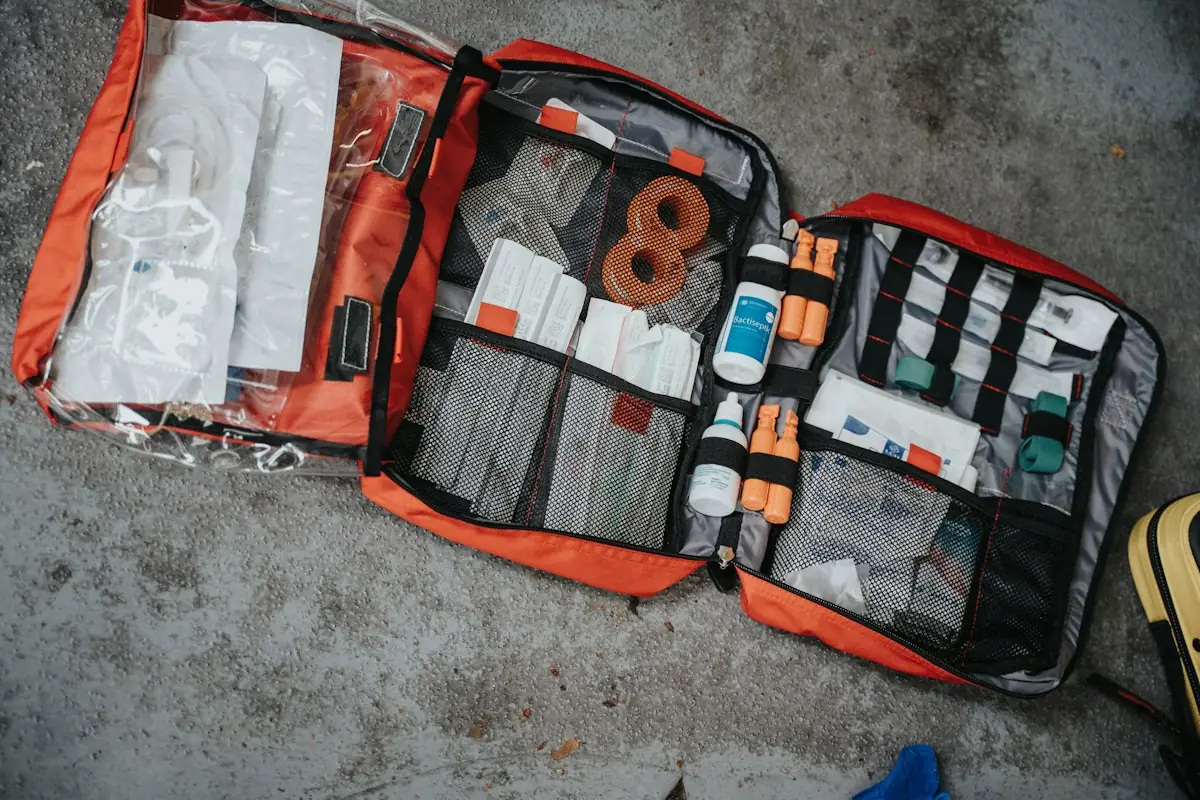
A first aid kit for Thailand should cover what actually happens on Phuket: sunburn, stomach upsets, coral cuts, mosquito bites and minor scooter injuries. Most medicines are easy to buy at local pharmacies, so bring from home only the ones you already use and anything on prescription. The main health risks are the sun, dengue, jellyfish, rabies and road accidents.
Key facts
- Personal prescription medicines may be brought in for up to 30 days of use, in the original packaging with a prescription or a doctor’s letter.
- Medicines with Category 2 narcotic substances (codeine, for example) require a Thai FDA permit on form IC-2 in advance.
- Dengue is spread by daytime-biting mosquitoes; cases rise in the rainy season, roughly May to October.
- For a box jellyfish sting, pour vinegar on the area for at least 30 seconds, do not rub it and do not rinse with fresh water.
- After a bite from a dog, cat or monkey, go to hospital the same day: rabies occurs in Thailand.
First aid kit for Thailand: what to bring from home
Pack your kit by category, and discuss specific medicines and doses with your own doctor, especially if you travel with children, are pregnant or have a chronic condition. A sensible basic set:
- Medicines you take regularly, enough for the whole trip, with a prescription in English.
- The fever reducer and painkiller you normally use.
- Remedies for stomach upsets: an adsorbent and oral rehydration salts.
- An antihistamine for allergies and insect bites.
- Antiseptic, plasters in several sizes, sterile wipes and an elastic bandage.
- A thermometer and, for families, children’s versions of medicines your child has taken before.
If you take sleeping pills, strong painkillers, or anxiety or ADHD medication, check the ingredients before you travel. Psychotropic substances in Categories 2 to 4 may be brought in only with a prescription or doctor’s certificate stating the diagnosis and purpose, and Category 2 narcotics need an IC-2 permit from permitfortraveler.fda.moph.go.th, which takes up to 10 working days. On arrival, declare such medicines in the red channel.
What to buy locally at a pharmacy
Phuket has pharmacies in every tourist area: the Boots and Watsons chains in shopping centres and on main streets, plus small independent pharmacies where the pharmacist often speaks English. Brand names differ from Russian ones, so show the pharmacist the active ingredient rather than the brand. Sunscreen, after-sun, repellent, plasters and rehydration salts are easier to buy locally than to pack. Do not take antibiotics on a shop assistant’s advice without seeing a doctor.
Health risks in Thailand at a glance
| Risk | When it is worse | How to reduce it |
|---|---|---|
| Sun and heatstroke | All year, 11am to 3pm | SPF 50, a hat, water |
| Stomach infections | The first days of a trip | Bottled water, hand washing |
| Dengue | Rainy season, May to October | Daytime repellent, covered clothing |
| Jellyfish | Rainy season, after storms | Swim near lifeguards, know about vinegar |
| Rabies | All year | Do not touch dogs, cats or monkeys |
| Currents and waves | West coast beaches, May to October | Stay out of the water under a red flag |
| Scooter accidents | All year, at night and in rain | Helmet, licence, no alcohol |
Dengue, the sun and stomach bugs
Dengue is a viral infection spread by mosquitoes that bite during the day, in towns too. Typical signs are a sudden high fever, a severe headache, aching muscles and joints, and sometimes a rash. With these symptoms, see a doctor and get a blood test; do not take blood-thinning medicines on your own until a doctor has ruled dengue out. The sun at Phuket’s latitude burns in 20 to 30 minutes even when it is cloudy, and dehydration is often mistaken for food poisoning. A stomach upset in the first days usually passes on its own, but blood in the stool, a high fever or signs of dehydration in a child mean going to a clinic at once.
Jellyfish, coral and the sea
- Box jellyfish are rare off Thailand’s coast, but their sting is dangerous. The Department of Marine and Coastal Resources advises pouring vinegar on the area right away for at least 30 seconds, not rubbing it and not rinsing with fresh water, and calling 1669 if there is weakness, chest pain or difficulty breathing.
- Lifeguard posts often keep vinegar; on major beaches, including Patong, lifeguards help with jellyfish stings.
- Rinse coral and rock cuts with clean water, apply antiseptic and watch the wound: in the tropics they get infected easily. Redness and swelling a day or two later mean seeing a doctor.
- Sea urchins near rocky beaches: swim in reef shoes.
- During the south-west monsoon, west coast beaches have strong rip currents: a red flag means no swimming.
Animal bites and rabies
Stray dogs on beaches and monkeys at viewpoints, such as Monkey Hill in Phuket Town, are a common reason for doctor visits. Any bite or scratch, even a small one, means washing the wound with soap and water for several minutes and going to hospital the same day: the doctor will decide whether rabies vaccination is needed. These vaccinations are given at Phuket’s large hospitals. Do not feed the monkeys or lean towards dogs, especially with children.
Phuket hospitals and the ambulance number
Scooter accidents and insurance
The most serious injuries among tourists on Phuket involve scooters: wet roads, sand on bends, darkness and alcohol. A helmet is compulsory, and without a licence with a motorcycle category insurers usually refuse to pay. Clean and cover grazes after a fall, but after a blow to the head, severe pain or a suspected fracture, go straight to hospital. Private treatment without a policy can be very expensive, so buy insurance before you fly. This article is for information only and does not replace a doctor’s advice.
Health insurance and doctors — catalogue — 7 options
Frequently asked questions
What should I pack in a first aid kit for Thailand?
Your regular medicines with a prescription, the fever reducer and painkiller you usually use, remedies for stomach upsets and rehydration, an antihistamine, antiseptic and plasters. Sunscreen and repellent are easier to buy locally.
Which medicines can’t you bring into Thailand?
Medicines with Category 2 narcotics, such as codeine, cannot be brought in without an IC-2 permit. Ordinary prescription medicines are allowed for up to 30 days of use with a prescription.
Is dengue dangerous on Phuket?
Dengue occurs all year, more often in the rainy season. Protect yourself from mosquitoes during the day, and with a high fever and body aches see a doctor and get a blood test.
What should I do after a jellyfish sting in Thailand?
Get out of the water, call a lifeguard and pour vinegar on the area for at least 30 seconds, without rubbing or rinsing in fresh water. If there is weakness or difficulty breathing, call 1669.
Do I need a rabies vaccination before Thailand?
Decide on preventive vaccination with your doctor. If an animal bites you, post-exposure vaccination is given at Phuket hospitals, and you should go the same day.
If you need a doctor call-out or a policy while already on the island, look at the medical section of the AURA catalogue: a request takes about a minute, and the partner confirms the details personally.